
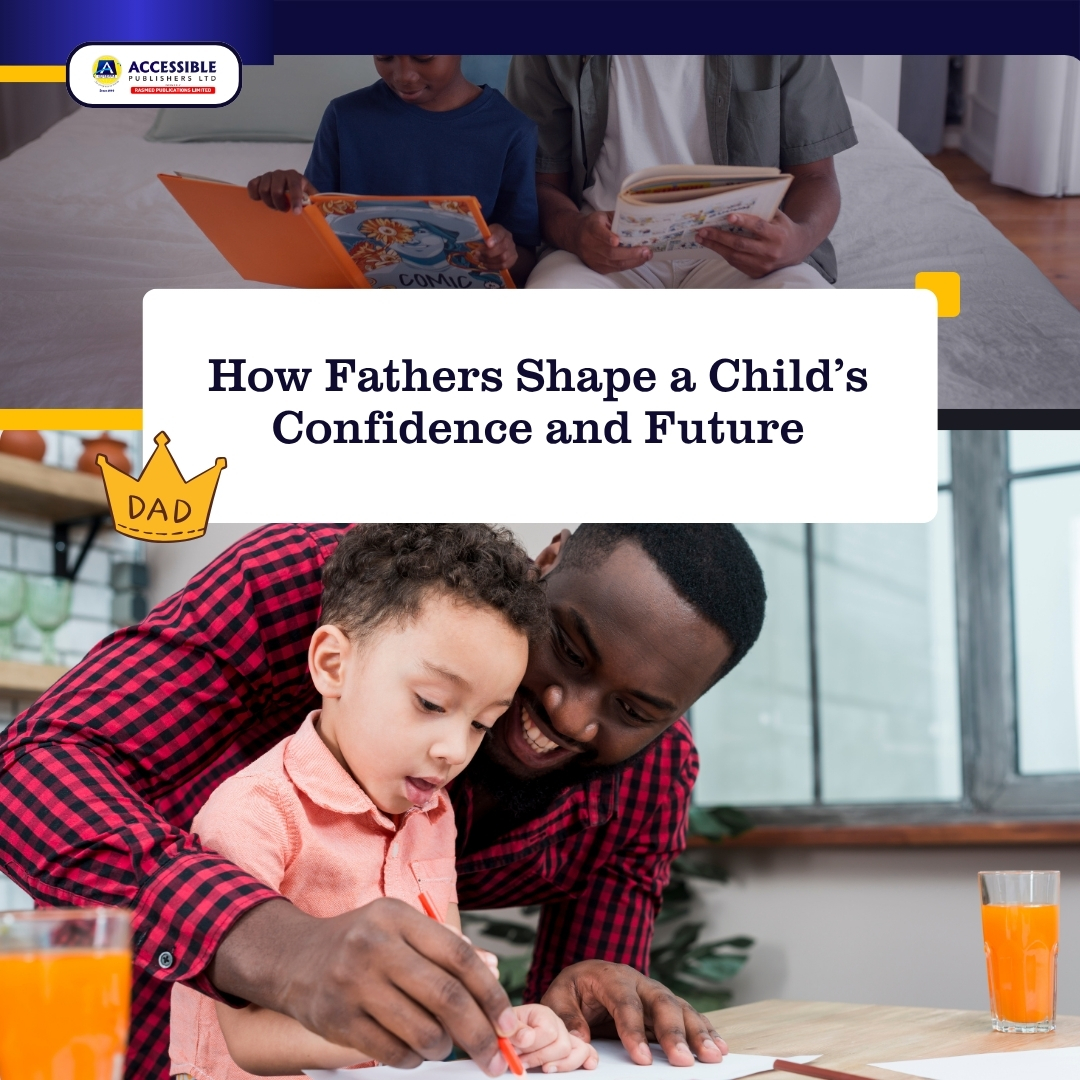
When people talk about raising confident, successful, and emotionally balanced children, mothers often receive much of the attention. While mothers undoubtedly play vital roles in a child’s development, fathers are equally influential. A father’s presence, guidance, encouragement, and example can leave a lasting impact that shapes a child’s confidence, character, and future achievements.
Children look to their fathers for support, protection, validation, and direction. Whether through words of encouragement, shared experiences, or everyday interactions, fathers help build the foundation upon which children develop their self-worth and navigate life’s challenges. Research and real-life experiences continue to show that children who enjoy positive relationships with their fathers often grow into more confident, resilient, and well-rounded adults.
As the saying goes, “Any man can be a father, but it takes someone special to be a dad.” Beyond providing for a family, fathers help shape the emotional, academic, and social growth of their children in ways that can influence them for a lifetime.
The Importance of a Father’s Presence in a Child’s Life
A father’s presence goes far beyond simply being physically available. Children thrive when fathers actively participate in their lives, showing genuine interest in their thoughts, feelings, achievements, and struggles.
When fathers are present and engaged, children often feel more secure and valued. They gain a stronger sense of belonging and develop healthy emotional bonds that support their overall well-being. Fathers who spend quality time with their children create opportunities for trust, communication, and meaningful connections.
For young children, a father’s involvement helps establish a sense of safety and confidence in exploring the world around them. As children grow into adolescence, fathers continue to provide guidance, stability, and support during periods of change and uncertainty.
A father’s presence also teaches important life lessons about responsibility, respect, discipline, and perseverance. Through observation, children learn how to handle challenges, build relationships, and make decisions.
How Fathers Influence a Child’s Self-Confidence and Emotional Growth
One of the greatest gifts a father can give a child is confidence. Children often develop their self-image based on the feedback, encouragement, and affirmation they receive from the important adults in their lives.
When fathers acknowledge their children’s efforts, celebrate their achievements, and encourage them after setbacks, they help build a strong sense of self-worth. Children who feel supported by their fathers are more likely to believe in their abilities and take on new challenges without fear of failure.
Positive father-child relationships also contribute significantly to emotional growth. Fathers help children learn how to manage emotions, handle disappointment, and respond to difficult situations in healthy ways.
For example, when a father listens attentively to a child’s concerns instead of dismissing them, the child learns that their feelings matter. This validation strengthens emotional intelligence and encourages open communication.
Moreover, fathers who demonstrate kindness, empathy, patience, and respect serve as role models. Their actions teach children how to treat others and how to build healthy relationships throughout life.
As author Clarence Budington Kelland wisely noted, “My father didn’t tell me how to live; he lived, and let me watch him do it.” Children often learn more from what fathers do than from what they say.
The Role of Fathers in Academic and Personal Development
Fathers play a significant role in supporting their children’s academic success and personal growth. Contrary to popular belief, helping children succeed in school does not always require advanced educational qualifications. What matters most is interest, encouragement, and involvement.
When fathers ask about school activities, assist with homework, attend school events, or discuss future goals, children often become more motivated to perform well academically. Their involvement communicates that education is valuable and worth prioritising.
Studies have consistently shown that children whose fathers are actively engaged in their education tend to demonstrate better academic performance, stronger problem-solving skills, and improved attitudes toward learning.
Beyond academics, fathers contribute to personal development by teaching life skills such as:
- Responsibility
- Time management
- Integrity
- Decision-making
- Goal setting
- Financial discipline
- Resilience
Through everyday experiences, fathers help children understand the importance of hard work, accountability, and perseverance. These lessons prepare them for future challenges in school, careers, and relationships.
Additionally, fathers often encourage independence by allowing children to make age-appropriate decisions and learn from their experiences. This helps children develop confidence in their ability to solve problems and navigate life’s complexities.
Everyday Actions That Help Fathers Build Stronger Relationships With Their Children
Building a strong father-child relationship does not require grand gestures. Small, consistent actions often make the greatest difference.
Here are practical ways fathers can strengthen their bond with their children:
Spend Quality Time Together
Whether reading books, playing games, taking walks, or having simple conversations, dedicated time helps children feel valued and loved.
Listen Actively
Children want to be heard. Fathers who listen without immediately judging or interrupting create a safe space for communication.
Encourage Effort, Not Just Results
Recognising hard work and persistence helps children develop a growth mindset and build confidence even when outcomes are not perfect.
Be Present During Important Moments
Attending school events, sports activities, performances, and celebrations shows children that their achievements matter.
Lead by Example
Children learn through observation. Fathers who model honesty, respect, responsibility, and kindness teach powerful lessons through their actions.
Express Love and Appreciation
Simple words such as “I’m proud of you” or “I love you” can have a profound impact on a child’s confidence and emotional security.
Support Learning and Reading
Encouraging reading habits, discussing educational topics, and showing interest in learning can foster a lifelong love for knowledge.
Create Family Traditions
Shared routines and traditions help strengthen family bonds and create lasting memories that children carry into adulthood.
Conclusion
Fathers have an extraordinary influence on the lives of their children. Their presence, encouragement, guidance, and example help shape not only a child’s confidence but also their future aspirations, relationships, and overall character.
While no father is perfect, consistent involvement and genuine care can make a remarkable difference. Through everyday acts of love, support, and mentorship, fathers help children develop the confidence to pursue their dreams, overcome challenges, and become responsible members of society.
As families, schools, and communities continue to support children’s development, recognising and encouraging the vital role of fathers remains essential. After all, the lessons children learn from their fathers today can help shape the leaders, innovators, and change-makers of tomorrow.
Check out our literature catalogue to discover an array of titles that can help motivate children to keep turning the pages. It’s time to explore and embark on an enriching literary journey.
Click this link to learn more about us here!