
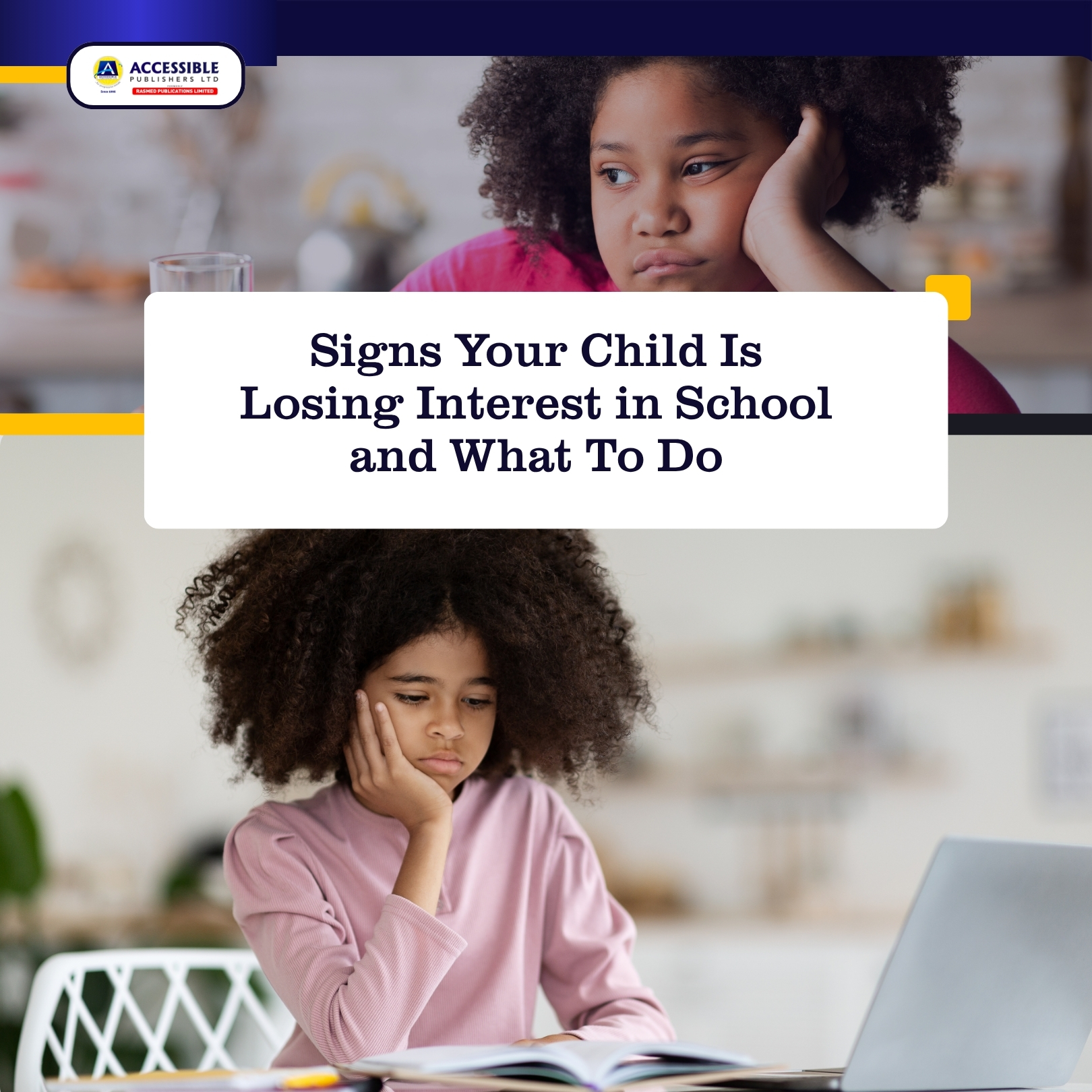
Your child once rushed to get ready for school, eagerly shared stories about classroom activities, and tackled homework without much prompting. Then, suddenly, things changed. The excitement disappeared. Homework became a battle. Conversations about school were met with shrugs, silence, or complaints.
For many parents, this shift can be worrying and confusing. Is it just a phase, or is something more serious happening?
A child’s interest in school plays a vital role in their academic success, personal growth, and future opportunities. When that interest begins to fade, it often signals underlying challenges that need attention. The good news is that early intervention can make a significant difference.
As educational expert Benjamin Franklin once said, “An investment in knowledge pays the best interest.” Recognising the signs of disengagement and taking the right steps can help your child rediscover the joy of learning.
In this article, we will explore the warning signs that your child may be losing interest in school, the common causes behind this decline, and practical strategies parents, teachers, and schools can use to help children reconnect with learning.
Early Signs Your Child May Be Losing Interest in School
Children rarely announce that they have lost interest in school. Instead, they often communicate it through their behaviour, attitude, and performance.
Here are some early signs to watch out for:
1. Declining Academic Performance
One of the most noticeable indicators is a sudden drop in grades or overall academic performance. A child who once performed well may begin submitting incomplete assignments, scoring poorly on tests, or showing little concern about their results.
2. Frequent Complaints About School
Children who are losing interest may regularly complain about school being boring, difficult, stressful, or unnecessary. They may show little enthusiasm when discussing school-related activities.
3. Reluctance to Attend School
If your child frequently looks for reasons to stay home, complains of minor illnesses before school, or resists getting ready in the morning, it may be a sign that they no longer feel connected to the learning environment.
4. Lack of Interest in Homework and Class Projects
A child who once completed assignments independently may begin procrastinating, avoiding homework, or refusing to participate in school projects.
5. Reduced Participation in Learning Activities
You may notice your child no longer enjoys reading, asking questions, exploring new ideas, or engaging in educational activities they once found exciting.
6. Negative Changes in Attitude
Children who are disengaged from school often become irritable, frustrated, withdrawn, or unmotivated when academic topics arise.
7. Poor Concentration and Increased Distractions
Difficulty focusing during study time, constant daydreaming, or becoming easily distracted may indicate a loss of interest in learning.
The earlier these signs are identified, the easier it becomes to address the root causes before they affect long-term academic progress.
Common Reasons Children Become Disconnected From Learning
Understanding why a child is losing interest in school is the first step toward finding effective solutions.
1. Learning Difficulties
Undiagnosed learning challenges can make school frustrating and overwhelming. When children consistently struggle to keep up with lessons, they may gradually lose confidence and motivation.
2. Lack of Engagement in the Classroom
Children learn differently. If teaching methods do not match their learning style, lessons may feel repetitive or uninteresting, leading to disengagement.
3. Academic Pressure and Stress
Excessive expectations from parents, teachers, or even the children themselves can create anxiety. When learning becomes associated with pressure rather than growth, interest often declines.
4. Social Challenges
Bullying, peer conflicts, social isolation, or difficulty making friends can negatively impact a child’s desire to attend school and participate in learning activities.
5. Emotional or Family Issues
Changes at home, family conflicts, grief, financial difficulties, or emotional challenges can affect a child’s focus and motivation in school.
6. Excessive Screen Time
Spending long hours on social media, gaming, or entertainment platforms can reduce attention spans and make classroom learning seem less stimulating.
7. Lack of Clear Goals or Purpose
Some children struggle to see the relevance of what they are learning. Without understanding how education connects to their future aspirations, motivation may decline.
Practical Ways Parents Can Help Children Regain Interest in School
When children begin to lose interest in school, parents play a crucial role in helping them reconnect with learning.
1. Start Open and Honest Conversations
Create a safe environment where your child feels comfortable expressing their concerns. Ask questions and listen without immediately judging or offering solutions.
Simple questions like:
- What do you enjoy most about school?
- What has been difficult lately?
- Is there anything making school less enjoyable?
can provide valuable insights.
2. Focus on Encouragement Rather Than Pressure
Celebrate effort, improvement, and persistence rather than focusing solely on grades. Children who feel supported are more likely to remain motivated.
3. Make Learning Relevant
Help children see the connection between what they learn in school and real-life situations. Relating lessons to their interests can make learning more meaningful and engaging.
4. Establish Healthy Study Routines
Create a structured environment that supports concentration and consistency. A dedicated study space and regular study schedule can improve focus and productivity.
5. Limit Distractions
Monitor screen time and encourage a healthy balance between technology, academics, physical activity, and social interaction.
6. Encourage Reading for Pleasure
Interesting storybooks, educational books, biographies, and age-appropriate novels can reignite curiosity and strengthen learning habits outside the classroom.
7. Support Their Interests and Strengths
Every child has unique talents. Whether it is sports, music, art, science, technology, or writing, nurturing these interests can boost confidence and increase overall enthusiasm for learning.
8. Seek Professional Support When Necessary
If the problem persists or appears linked to emotional, behavioural, or learning difficulties, consulting teachers, school counsellors, or educational specialists can provide valuable guidance.
The Role of Teachers and Schools in Supporting Struggling Students
Helping children stay engaged in learning is a shared responsibility between parents and educators.
Creating Engaging Learning Experiences
Teachers can improve student engagement by using interactive teaching methods, collaborative activities, practical demonstrations, and technology-enhanced learning experiences.
Identifying Problems Early
Educators are often among the first to notice changes in student behaviour or academic performance. Early identification allows for timely intervention.
Building Positive Teacher-Student Relationships
Students who feel valued, respected, and supported by their teachers are more likely to remain interested and committed to learning.
Promoting Inclusive Learning Environments
Schools should create classrooms where every child feels accepted, safe, and capable of succeeding regardless of their learning abilities or background.
Encouraging Parent-School Collaboration
Regular communication between parents and teachers helps ensure that challenges are identified and addressed consistently both at home and in school.
Providing Emotional and Academic Support
School counsellors, mentoring programmes, academic support systems, and extracurricular activities can help students overcome obstacles and rediscover their motivation.
As educator Rita Pierson famously stated, “Every child deserves a champion—an adult who will never give up on them.” When parents and educators work together, children are far more likely to thrive.
Conclusion
A child’s loss of interest in school rarely happens overnight. It often begins with subtle signs such as declining grades, reduced enthusiasm, avoidance of schoolwork, or changes in behaviour. While these signs can be concerning, they also present an opportunity for parents and educators to step in and provide support.
By understanding the underlying causes, maintaining open communication, creating positive learning experiences, and working collaboratively with teachers, parents can help children regain confidence and rediscover the excitement of learning.
Education is not simply about achieving good grades; it is about nurturing curiosity, building resilience, and preparing children for lifelong success. When adults pay attention, offer encouragement, and respond with care, even the most disengaged learner can find their way back to the path of growth and achievement.
Check out our literature catalogue to discover an array of titles that can help motivate children to keep turning the pages. It’s time to explore and embark on an enriching literary journey.
Click this link to learn more about us here!