
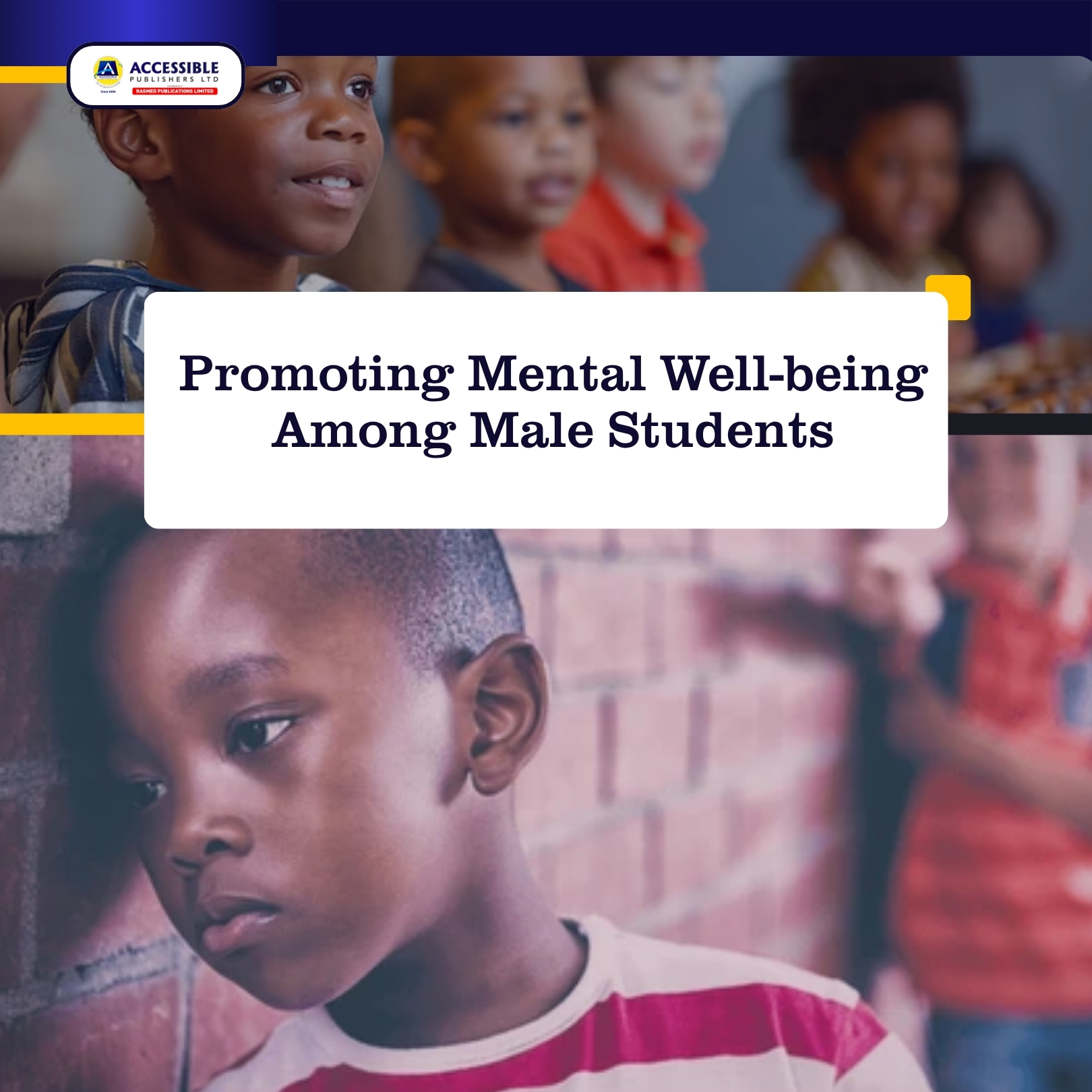
Mental health is a crucial aspect of human life. Among students, it is increasingly gaining attention, but it is somewhat overlooked among male students. Societal expectations around masculinity can discourage young men from openly discussing their struggles, creating silent battles that affect academic performance, relationships, and overall quality of life. Recognising and addressing the mental well-being of male students is not just a personal concern; it concerns everyone.
This article explores the concept of mental health, highlights the value of mental wellness, and outlines five practical ways to build support systems for male students.
Understanding Mental Health
Mental health refers to a person’s emotional, psychological, and social well-being. It shapes how individuals think, feel, and behave in daily life. Strong mental health is crucial for managing stress, making informed decisions, and maintaining positive relationships among students. It is not merely the absence of mental illness but a state of balance where one can cope effectively with life’s challenges and thrive.
Beyond the individual, mental health affects how students interact with their environment. Those who are mentally well are better equipped to handle the pressures of academic life, social expectations, and personal challenges. On the other hand, neglected mental health can lead to anxiety, depression, isolation, or even a decline in academic performance. Understanding this concept helps dismantle the stigma often associated with seeking help, particularly among male students who may feel societal pressure to appear “strong” at all times.
Importantly, mental health is dynamic. It changes in response to life events, experiences, and the support systems available.
The Hidden Strength in Mental Wellness
For male students, embracing mental wellness is a sign of strength, not weakness. It requires courage to seek help, express emotions, and maintain balance amidst academic and social pressures. Mental resilience enhances focus, improves problem-solving abilities, and fosters healthier relationships.
In practical terms, male students can nurture mental wellness through activities that reduce stress and promote emotional awareness, as mental wellness empowers male students to build healthier relationships with friends, family, and mentors. Openly discussing struggles or seeking advice from trusted peers demonstrates self-awareness and responsibility, fostering mutual trust and understanding.
Even small actions, such as checking in on a roommate or forming study groups that emphasise both academic support and emotional encouragement, can create a ripple effect, promoting a culture of care and healthy well-being among male students.
Ways to Build Support Systems for Male Students
Supporting male students’ mental health requires intentional structures that encourage openness and resilience. Creating this environment involves practical steps that actively foster openness and emotional strength, some of which include:
- Peer Networks: Spaces should be created where male students can talk freely with friends about stress, challenges, or emotions without judgment. Simple check-ins or informal group chats can normalise seeking help.
- Mentorship Programmes: Pairing students with male mentors, such as older peers, offers guidance, models healthy coping, and shows that asking for support is a strength.
- Accessible Counselling: Schools must provide confidential, approachable counselling services specifically attuned to the pressures male students face. Quick access and male-friendly environments make seeking help less intimidating.
- Workshops and Awareness Campaigns: Schools can offer sessions on stress management, emotional intelligence, and self-care designed for male students. Skills-based workshops equip them with tools to navigate both academic and personal pressures effectively.
- Activity-Based Support: Schools should encourage sports, clubs, or creative groups that promote bonding and emotional expression, giving male students safe outlets to relieve stress and connect with peers.
Promoting mental well-being among male students is a shared responsibility that extends beyond the individual. The time is now!. Everyone, from parents and teachers to peers and communities, has a role to play in fostering a culture of care and support.
Check out our literature catalogue to discover an array of titles that can help motivate children to keep turning the pages. It’s time to explore and embark on an enriching literary journey.
Click this link to learn more about us here!