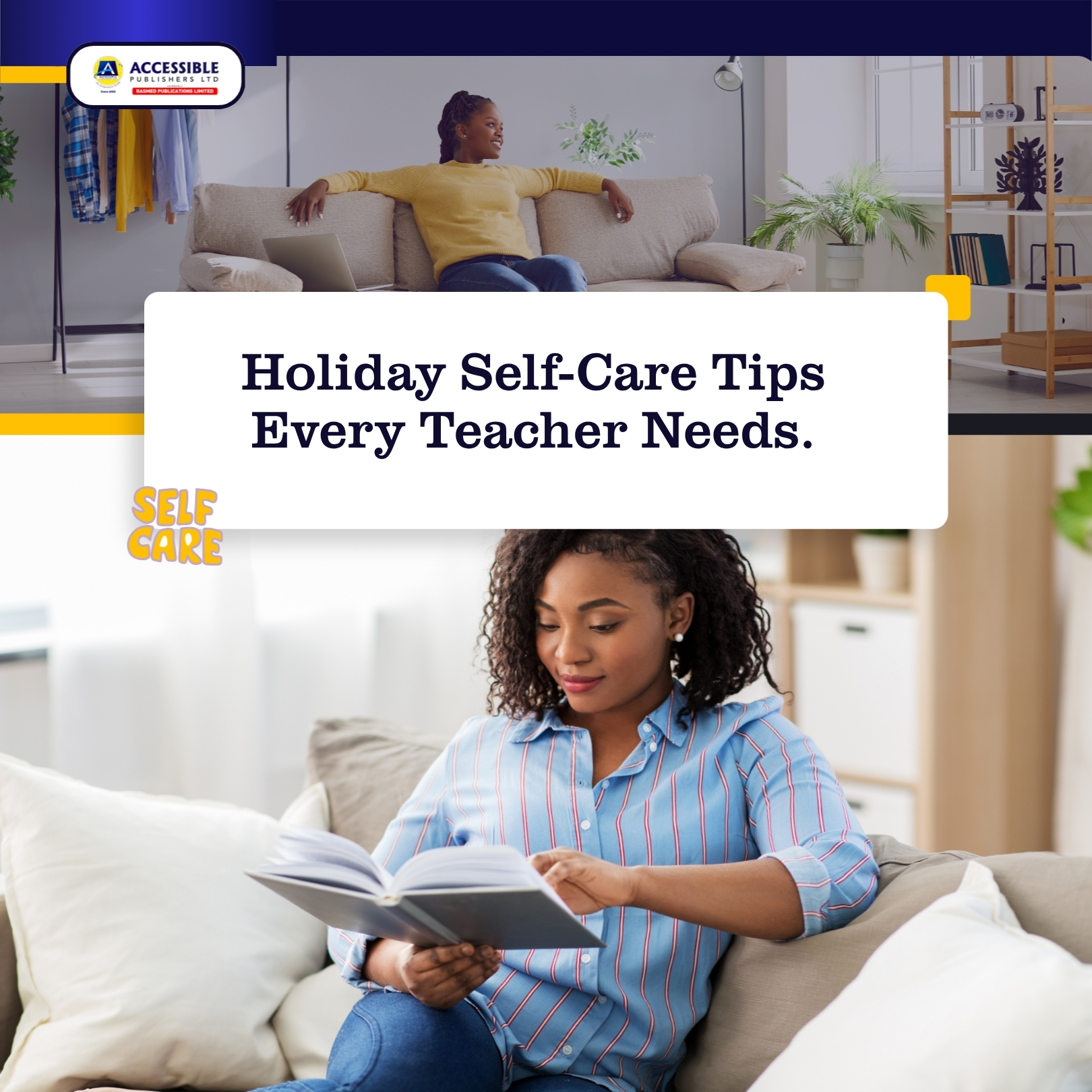
The school bell has stopped ringing, the classrooms are quieter, lesson plans can finally wait, and for once, teachers can breathe without thinking about the next test, assignment, report card, or classroom challenge. The holiday season is more than a break from teaching; it is an opportunity for teachers to pause, recharge and prioritise self-care.
Teaching is one of the most rewarding professions, but it can also be physically, mentally and emotionally demanding. From preparing lessons and marking scripts to managing classrooms, meeting deadlines and supporting students, teachers give a great deal of themselves throughout the academic session. When the holiday arrives, however, many teachers find it difficult to truly switch off.
This is where self-care becomes important. Self-care refers to the intentional actions a person takes to protect and improve their physical, mental, emotional and social well-being. It is not selfishness or laziness. Rather, it is recognising that you cannot continually pour from an empty cup.
As American author and educator Audre Lorde famously put it, “Caring for myself is not self-indulgence, it is self-preservation.”
For teachers, holiday self-care means using the break not only to prepare for the next academic session but also to rest, reconnect, have fun and recover.
Why Teachers Need Self-Care During the Holidays
Teachers often spend the academic term prioritising everyone else. Their students’ learning comes first, school responsibilities demand attention, and personal needs can easily take a back seat.
The holidays provide an important opportunity to reverse this pattern.
1. To recover from academic stress
A long school term can leave teachers mentally exhausted. Constant lesson preparation, classroom management, grading, meetings and administrative responsibilities can gradually build up stress.
Taking time to rest during the holidays can help teachers recover from this accumulated pressure and return to work with renewed energy.
2. To protect mental and emotional well-being
Teaching involves more than delivering lessons. Teachers often deal with students’ academic difficulties, behavioural challenges and personal concerns. Carrying these responsibilities for months can be emotionally draining.
A proper holiday break gives teachers the space to disconnect from work-related pressures and attend to their own emotional needs.
3. To restore physical energy
Standing for long periods, moving around classrooms, commuting and maintaining demanding schedules can take a toll on the body.
The holidays are a good time to prioritise adequate sleep, healthy meals, physical activity and medical check-ups where necessary.
4. To reconnect with family and friends
During the school term, busy schedules can limit meaningful time with loved ones. The holidays create an opportunity to reconnect, have conversations, attend family events and enjoy simple moments together.
Strong relationships can provide emotional support and help teachers feel refreshed.
5. To return to school with renewed motivation
Rest does not mean abandoning professional growth. In fact, adequate rest can make it easier to think clearly, generate new ideas and approach teaching with greater enthusiasm.
A rested teacher is better positioned to begin a new term with patience, creativity and confidence.
Practical Self-Care Tips for Teachers
Self-care does not always require expensive holidays, elaborate plans or a large budget. Sometimes, the most effective forms of self-care are simple and intentional.
1. Give yourself permission to rest
One of the biggest mistakes teachers can make during the holidays is turning every free day into another workday.
You do not have to spend the entire holiday preparing lesson notes, organising teaching materials or thinking about the next term. Allow yourself to sleep, relax, watch a favourite movie, listen to music or simply do nothing for a while.
Rest is productive when your body and mind need recovery.
2. Catch up on sleep
During the school term, early mornings and busy schedules can make adequate sleep difficult.
Use part of the holiday to establish a healthier sleep routine. While you do not necessarily need to sleep all day, giving your body enough time to recover can improve energy, concentration and mood.
3. Do something you genuinely enjoy
When was the last time you did something simply because you enjoyed it?
Read a novel unrelated to your teaching subject, cook something new, visit a place you have always wanted to see, garden, listen to music, play a game or explore a creative hobby.
Your identity extends beyond being a teacher. The holiday is a chance to reconnect with the person behind the profession.
4. Reduce unnecessary work-related screen time
Emails, WhatsApp messages, school groups and notifications can make teachers feel as though they are permanently at work.
Consider setting boundaries around work-related communication during your break. Unless something is genuinely urgent, you can designate specific periods for checking school messages instead of responding throughout the day.
5. Take care of your body
Physical self-care is an important part of overall well-being.
Make time for activities such as walking, stretching, dancing, swimming or other forms of exercise you enjoy. Eat balanced meals, stay hydrated and give your body enough time to rest.
You do not need an extreme fitness routine. Consistency and enjoyment matter more than intensity.
6. Spend quality time with loved ones
Make the holiday meaningful by spending intentional time with family and friends.
Have a meal together, visit relatives, organise a simple outing or simply sit down and talk. Meaningful relationships can provide laughter, comfort and a much-needed emotional reset.
7. Enjoy some quiet time
Teachers spend much of their working day surrounded by voices, questions, conversations and classroom activity.
Quiet time can therefore be surprisingly valuable.
Put your phone aside for a while, sit somewhere peaceful, journal your thoughts, pray or simply enjoy a few moments without demands or notifications.
8. Pursue a personal interest
The holiday can also be a good time to rediscover a hobby or interest that became neglected during the school term.
You could learn a new skill, improve your cooking, take photographs, write, paint, read for pleasure or explore a subject that interests you.
Personal development should not always be about career advancement. Sometimes, learning something simply because it makes you happy is enough.
9. Set healthy boundaries
Self-care also means knowing when to say “no.”
You do not have to attend every event, accept every request or take on every responsibility during the holiday. Protecting your time and energy is important.
Healthy boundaries can help prevent your holiday from becoming another stressful season.
10. Reflect without putting pressure on yourself
The holidays can be a useful time to reflect on the academic year. Think about what went well, what challenged you and what you would like to improve.
However, reflection should not become self-criticism.
Instead of asking, “What did I do wrong?”, consider asking, “What did I learn, and what can I do differently next time?”
This approach turns reflection into growth rather than guilt.
11. Plan for the new term—but don’t let planning consume the holiday
Some preparation before school resumes can certainly reduce pressure later. You may organise teaching resources, review your goals or make a simple plan for the coming term.
The key is balance.
Prepare enough to feel organised, but not so much that you never feel like you were actually on holiday.
How Schools and Families Can Support Teacher Well-Being
Teacher self-care should not be treated entirely as an individual responsibility. Schools, school owners, families and communities all have roles to play in creating environments where teachers can maintain healthy well-being.
Schools can support teachers by:
- Respecting teachers’ time outside working hours.
- Avoiding unnecessary communication during holidays.
- Recognising teachers’ contributions throughout the academic year.
- Providing realistic workloads and reasonable deadlines.
- Creating opportunities for teachers to share concerns and seek support.
- Encouraging professional development without making every holiday about training.
- Promoting a school culture where rest and well-being are valued.
School leaders should remember that teacher well-being can influence teacher performance, classroom relationships and ultimately students’ learning experiences.
Families can support teachers by:
Families also have an important role, particularly because teachers may return home physically and mentally exhausted after demanding school days.
During the holidays, family members can encourage teachers to rest, participate in enjoyable activities, share household responsibilities where possible and avoid treating every free day as an opportunity to assign more tasks.
Sometimes, support can be as simple as asking, “How are you doing?” and genuinely listening to the answer.
Conclusion: A Rested Teacher Is Still a Dedicated Teacher
Teachers dedicate a significant part of their lives to helping others learn, grow and succeed. But being committed to students does not mean neglecting yourself.
The holiday is an opportunity to slow down, sleep better, reconnect with loved ones, pursue personal interests and simply enjoy life outside the classroom. It is also a reminder that teachers are people first—with their own needs, emotions, dreams and limits.
So, before the next academic session begins, take a moment to breathe. Rest without guilt. Laugh. Read something you enjoy. Spend time with people who matter to you. Take care of your body and mind.
You do not have to earn rest by exhausting yourself first.
When teachers take care of themselves, they are not becoming less dedicated educators. They are creating the energy, patience and emotional capacity needed to continue doing meaningful work.
This holiday, therefore, don’t just prepare your classroom. Prepare yourself for another great season of teaching by giving yourself the care you deserve.
Check out our literature catalogue to discover an array of titles that can help motivate children to keep turning the pages. It’s time to explore and embark on an enriching literary journey.
Click this link to learn more about us here!