
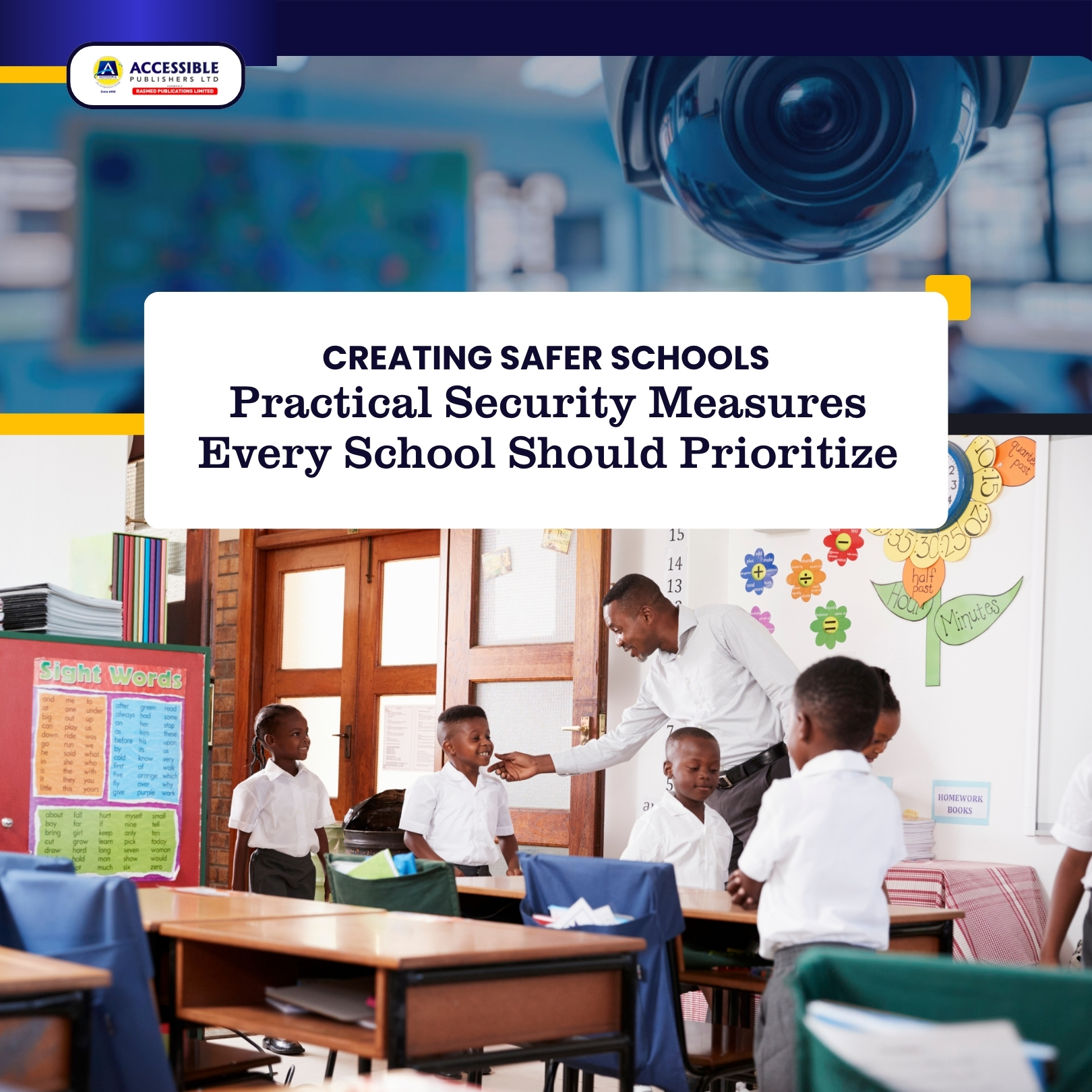
A child cannot truly learn where fear exists. Parents send their child to different schools with one expectation—that they will return home safe, happy, and better informed than when they left. Likewise, every teacher hopes to teach in an environment where learning can happen without the distraction of security threats or emergencies.
However, in recent years, conversations around school safety have become more urgent than ever. Reports of bullying, unauthorised access to school premises, accidents, health emergencies, cyber threats, and even school attacks have reminded us that providing quality education goes beyond textbooks, qualified teachers, and modern classrooms. It also means creating an environment where every learner feels physically, emotionally, and psychologically secure.
As the saying goes, “Safety doesn’t happen by accident.” It is the result of careful planning, consistent action, and shared responsibility.
Whether you are a school owner, administrator, teacher, parent, or education stakeholder, prioritising school safety is one of the greatest investments you can make in children’s future.
In this article, we explore practical security measures every school should prioritise to create safer learning environments for all.
Why School Safety Should Be a Top Priority in Education
Education flourishes where students feel protected. A secure school environment promotes confidence, concentration, and healthy development.
When children constantly worry about bullying, violence, emergencies, or unsafe surroundings, their ability to focus on learning reduces significantly. Likewise, teachers become less effective when they are preoccupied with safety concerns rather than instruction.
Prioritising school safety offers several important benefits:
Improved Academic Performance
Students who feel safe are more likely to participate actively in classroom discussions, ask questions confidently, and perform better academically.
Better Emotional and Mental Well-being
Safe schools help reduce anxiety, stress, and fear among learners, allowing them to develop emotionally and socially.
Stronger Parent Confidence
Parents naturally trust schools that demonstrate a serious commitment to protecting their children. Strong security measures build confidence in the school’s leadership and reputation.
Positive School Culture
When everyone understands safety expectations, schools experience fewer disciplinary issues, stronger relationships, and a greater sense of belonging among students and staff.
Effective Emergency Preparedness
Emergencies can happen unexpectedly. Schools that prepare ahead can respond quickly, minimising injuries, confusion, and panic.
Simply put, school safety is not an optional policy—it is a foundation for effective teaching and meaningful learning.
Essential Security Measures Schools Should Implement
Creating safer schools requires both physical and procedural security measures. While every school has unique needs, the following practices should form part of every school’s safety strategy.
1. Secure School Entry and Exit Points
Schools should carefully control who enters and leaves the premises.
Effective practices include:
- Employing trained security personnel.
- Keeping the gates monitored throughout school hours.
- Registering all visitors before entry.
- Issuing visitor identification badges where possible.
- Restricting access to unauthorised individuals.
A well-monitored entrance significantly reduces security risks.
2. Install Functional Surveillance Systems
Security cameras help monitor school activities and discourage criminal behaviour.
Schools should install CCTV cameras in strategic areas such as:
- School entrances
- Hallways
- Playgrounds
- Assembly grounds
- Parking areas
- Administrative buildings
Regular maintenance ensures these systems remain effective.
3. Develop a Clear Emergency Response Plan
Every school should have written procedures for emergencies, including:
- Fire outbreaks
- Medical emergencies
- Security threats
- Natural disasters
- Building evacuations
Students and staff should know exactly what actions to take during emergencies.
4. Conduct Regular Safety Drills
Emergency plans are only effective when practised.
Schools should periodically organise drills for:
- Fire evacuation
- Lockdown procedures
- Emergency assembly
- First aid response
Frequent practice helps reduce panic during real emergencies.
5. Strengthen Classroom Safety
Safety begins inside the classroom.
Teachers should:
- Keep emergency contact information readily available.
- Ensure classroom exits remain accessible.
- Report damaged furniture or facilities immediately.
- Monitor student behaviour consistently.
- Maintain accurate attendance records.
Simple routines often prevent larger problems.
6. Improve School Infrastructure
Unsafe buildings expose learners to unnecessary risks.
Schools should routinely inspect:
- Classroom structures
- Electrical installations
- Playground equipment
- Staircases and railings
- Fences and gates
- Laboratory equipment
Regular maintenance protects students from avoidable accidents.
7. Prioritise Cyber Safety
Today’s classrooms increasingly rely on digital learning tools.
Schools should educate students on:
- Safe internet use
- Protecting personal information
- Responsible social media behaviour
- Identifying online scams
- Reporting cyberbullying
Digital safety is now just as important as physical security.
8. Establish Anti-Bullying Policies
Bullying can affect academic performance, emotional health, and self-esteem.
Schools should:
- Clearly define unacceptable behaviour.
- Encourage students to report bullying.
- Investigate complaints promptly.
- Apply fair disciplinary measures.
- Promote kindness and inclusion through school programmes.
A respectful school culture discourages violence and intimidation.
The Role of Teachers and Staff in Maintaining a Safe Learning Environment
School safety is not solely the responsibility of security personnel. Every staff member contributes to protecting learners.
Teachers, non-teaching staff, and administrators play vital roles by:
Staying Alert
Staff should remain observant and report suspicious behaviour, damaged facilities, or unusual activities immediately.
Building Positive Relationships
Students often confide in adults they trust. Strong teacher-student relationships make it easier to identify learners facing emotional distress, bullying, or abuse.
Supervising Students Properly
Many school incidents occur during breaks, sporting activities, or dismissal periods. Active supervision helps prevent accidents and misconduct.
Receiving Regular Safety Training
Professional development should include:
- First aid
- Child protection
- Conflict resolution
- Emergency response
- Mental health awareness
Well-trained staff respond more effectively during emergencies.
Leading by Example
Students learn from observation. Adults who demonstrate respect, responsibility, and calm decision-making encourage learners to adopt similar behaviours.
As an educator and author, Haim Ginott famously said:
“Children are like wet cement. Whatever falls on them makes an impression.”
Teachers’ daily actions shape not only academic growth but also students’ sense of security and confidence.
How Schools and Parents Can Work Together to Improve Student Safety
Creating safer schools requires a strong partnership between home and school.
Parents possess valuable information about their children’s health, behaviour, and emotional well-being, while schools observe children’s interactions in learning environments.
When both work together, student safety improves significantly.
Maintain Open Communication
Schools should regularly communicate with parents regarding:
- Safety policies
- Emergency procedures
- Behavioural concerns
- Attendance issues
- Security updates
Likewise, parents should promptly inform schools about changes that may affect their children’s well-being.
Encourage Safety Education at Home
Parents should teach children basic safety habits, including:
- Avoiding strangers.
- Reporting uncomfortable situations.
- Using the internet responsibly.
- Following school safety instructions.
- Speaking up when something feels wrong.
These conversations reinforce what schools teach.
Participate in School Safety Programmes
Parents can actively support school safety by:
- Attending PTA meetings.
- Volunteering during school events.
- Supporting awareness campaigns.
- Providing constructive feedback.
- Participating in emergency preparedness initiatives.
Shared responsibility strengthens school communities.
Support Positive Behaviour
Parents and teachers should consistently encourage respect, honesty, empathy, and responsibility.
Children who develop strong character values are less likely to engage in violence, bullying, or unsafe behaviour.
Conclusion
Creating safer schools is not a one-time project but an ongoing commitment that requires planning, collaboration, and continuous improvement.
From securing school premises and preparing for emergencies to preventing bullying, promoting cyber safety, and strengthening partnerships with parents, every safety measure contributes to an environment where students can learn with confidence.
When children feel safe, they participate more actively, build stronger relationships, and reach their full academic potential.
Every school—regardless of size or location—can take meaningful steps toward improving safety. The goal is not merely to respond to emergencies but to prevent them wherever possible.
Because at the heart of every successful school is more than excellent teaching—it is the assurance that every child is protected, valued, and free to learn without fear.
Check out our literature catalogue to discover an array of titles that can help motivate children to keep turning the pages. It’s time to explore and embark on an enriching literary journey.
Click this link to learn more about us here!