
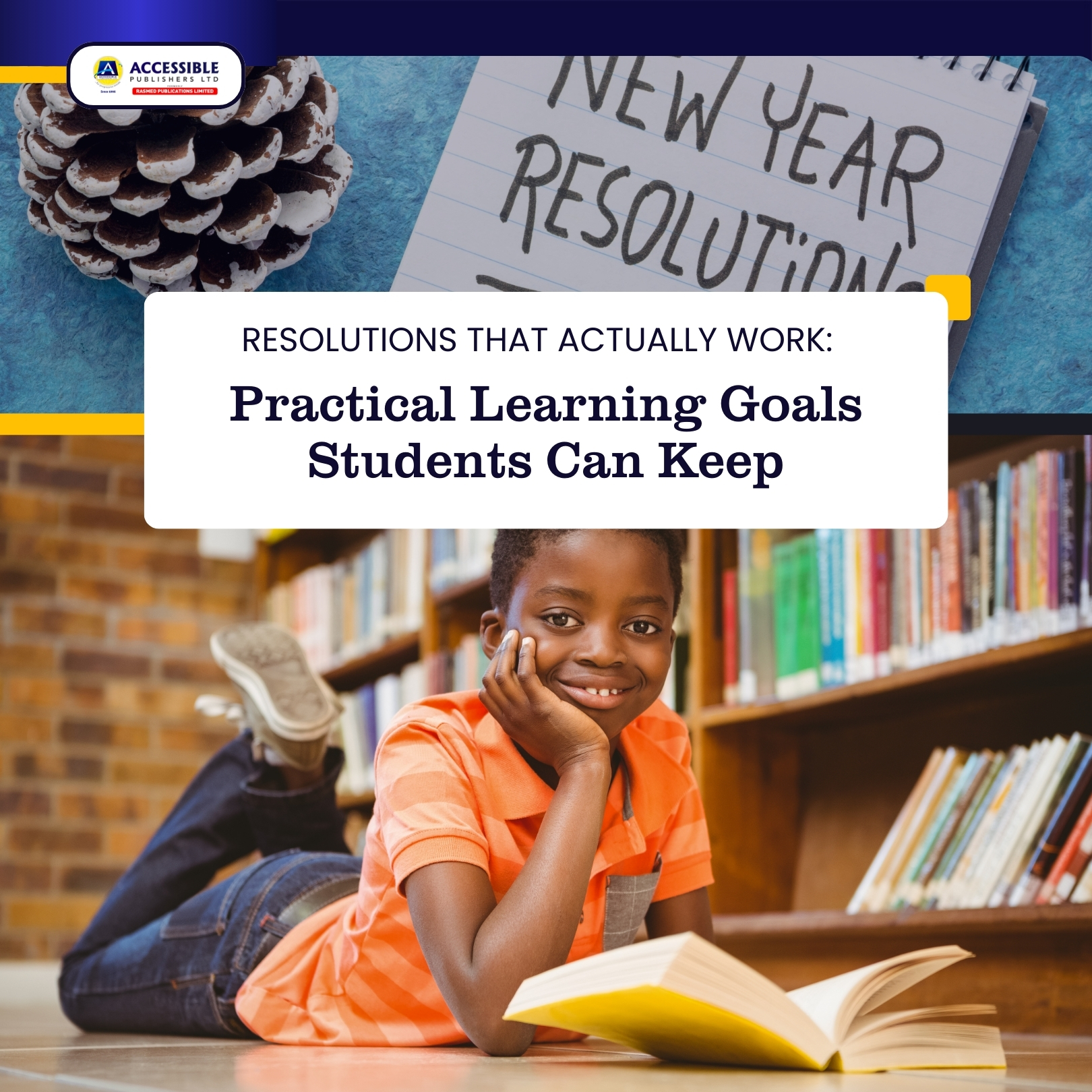
How often do you look back on a term or a year and think, “I could have done that differently,” or “I learnt more than I realised”? As 2026 begins, the familiar surge of motivation returns, bringing with it the promise to “do better” or “work harder.” However, for many students, that initial excitement fades quickly when resolutions prove either unrealistic or difficult to sustain.
Thus, the key is not simply to make a resolution, but to craft practical learning goals that are both inspiring and achievable. This blog unpacks what effective resolutions truly mean, outlines practical learning goals students can set, and shares five ways to keep the momentum going as 2026 progresses.
Decoding the Idea of ‘Resolution.’
A resolution is more than a fleeting promise; it is a commitment to intentional action. For students, it represents a conscious decision to grow, improve, and challenge oneself in specific areas. Understanding the essence of a resolution helps transform it from a generic statement, such as “I’ll study harder,” into a structured, purposeful goal.
At the heart of any meaningful resolution, however, lies honesty. This honesty requires acknowledging habits that supported learning in the past year, as well as recognising those that limited progress. It is through this process of self-awareness that clear, practical learning goals emerge. Consistency begins to replace inconsistency, and discipline grows through deliberate practice rather than momentary motivation.
In essence, when a resolution is well-defined, it becomes a guide rather than a burden, setting the tone for students to achieve measurable academic successes.
Practical Learning Goals Students Can Set
Once the idea of a resolution is clear, the next step is turning intention into action. Turning resolutions into results requires goals that are realistic, focused, and easy to sustain. The following learning goals are practical starting points students can adopt and adapt throughout the year:
Develop a Consistent Study Routine
One practical goal a student can set is to develop a consistent study routine. This may involve allocating fixed study hours each day, breaking study sessions into manageable blocks, or creating a distraction-free study space. Consistency, more than intensity, often determines long-term academic success.
Strengthen Time-Management Skills
Effective time management allows students to balance academic responsibilities with rest and personal interests. Using planners, setting weekly priorities, and breaking tasks into smaller steps help prevent last-minute pressure and improve productivity.
Build Resilience and a Growth Mindset
Challenges and mistakes are part of the learning process. Developing resilience means learning to persist through difficult topics, seeking feedback, and viewing setbacks as opportunities to improve rather than reasons to give up.
Track Progress and Reflect Regularly
This involves setting aside time to review progress. It helps students stay accountable. Reflecting on what is working, what needs adjustment, and what has improved reinforces learning goals. Over time, this mindset nurtures confidence and independence in learning.
Three Ways to Keep the Momentum Going
Setting practical learning goals is only the first step. Maintaining momentum throughout the year requires deliberate strategies to stay focused, motivated, and consistent. Here are three ways students can ensure their goals translate into meaningful progress:
Break Goals into Small, Achievable Tasks
Large goals can feel overwhelming, which often leads to procrastination. Breaking each goal into smaller, manageable tasks makes it easier to track progress and celebrate small victories along the way. For example, instead of “revise all subjects,” focus on completing one topic per week.
Utilise a Conducive Study Space
A conducive study space, free from distractions, can significantly improve focus and academic productivity.
Stay Flexible and Adaptable
This is equally important. Unexpected challenges or busy periods can disrupt routines. Staying flexible, adjusting goals when necessary, and viewing setbacks as opportunities to learn helps maintain momentum without losing motivation or discouraging progress.
Ultimately, 2026 is an opportunity to move beyond good intentions and make meaningful, measurable strides in learning. With reflection as a guide and practical goals as a roadmap, every student has the power to make this year truly transformative.
Check out our literature catalogue to discover an array of titles that can help motivate children to keep turning the pages. It’s time to explore and embark on an enriching literary journey.
Click this link to learn more about us here!
Resolutions