
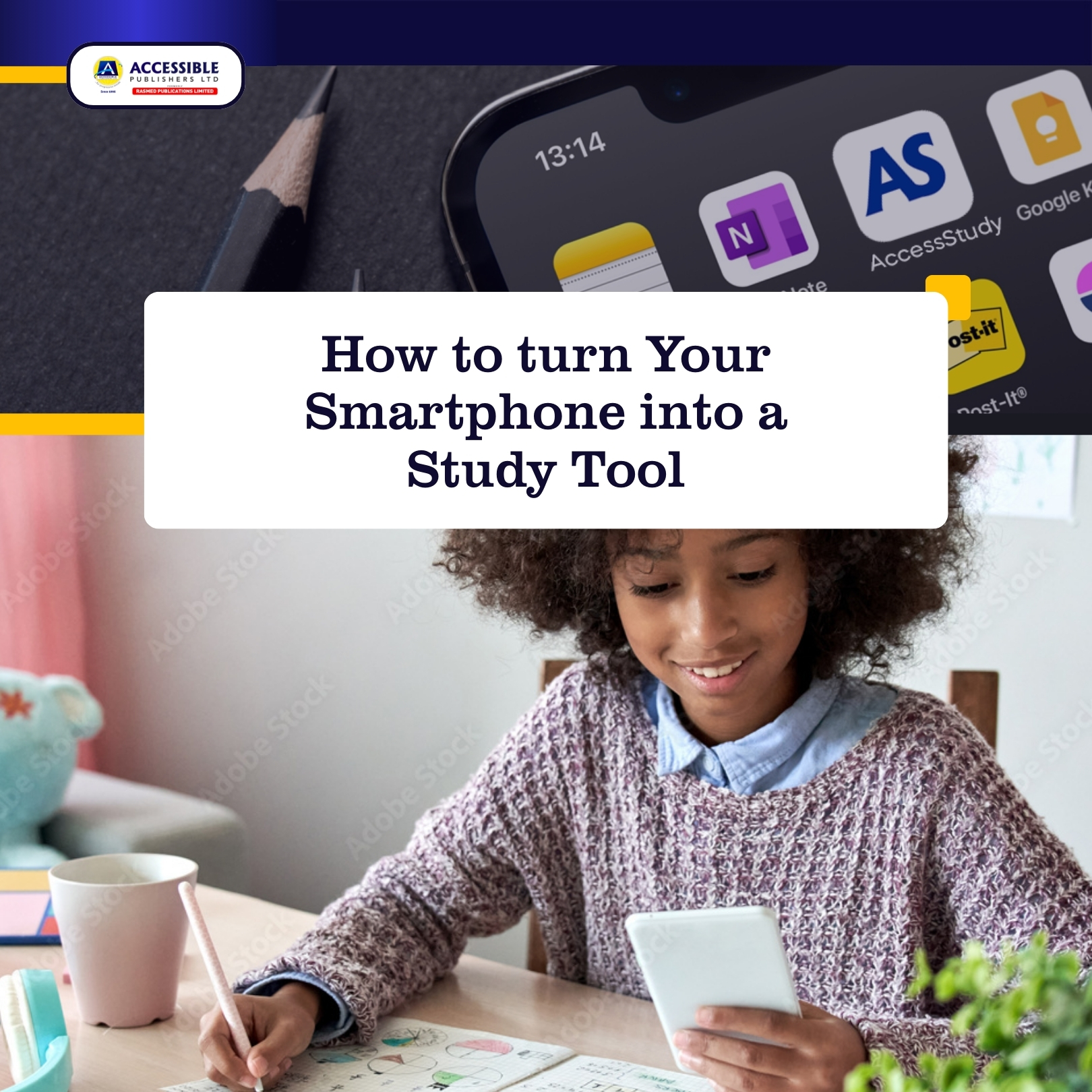
The use of smartphones in schools is one of the most debated topics among educators, parents, and students. Much of this debate stems from concerns about distractions. Yet, technology is increasingly transforming how students learn and how teachers teach, making smartphones an indispensable component of modern classrooms. The key is how smartphones are used, focusing on their potential as tools for productive learning rather than sources of distraction or entertainment.
This guide is set on the intent to reframe the fears associated with smartphone use in education, streamline useful apps and tools that support academic success, and provide best practices for developing smart digital habits that maximise learning outcomes.
Reframing the Smartphone in the Digital Age
Being a dominant digital device in the 21st century, smartphones are now owned by most students. Naturally, using smartphones in a classroom environment can be enticing. Often, the appeal is primarily recreational rather than educational. Understandably, many argue that smartphones serve as a distraction, with notifications and social media constantly vying for students’ attention.
Nevertheless, these devices are fundamental to modern society, and it falls on educators to transform them into powerful tools for learning. The rationale here is simple: smartphones contain vast educational resources that can enhance the academic dispositions of students and the professional standards of teachers.
Building on this, smartphones allow students the possibility of being productive on their terms, which creates greater autonomy. This also extends to equipping students with instant access to information, facilitating peer collaboration, and, more importantly, self-education. Beyond academics, smartphones serve practical purposes by enabling communication when necessary, such as connecting students to crisis support lines or other essential services.
In essence, when integrated thoughtfully, smartphones move from being perceived as distractions to becoming indispensable tools that enrich the learning experience both inside and outside the classroom.
Useful Apps and Tools for Academic Success
1. AccessStudy
AccessStudy, an AI-powered education tool, is designed to transform how schools function. The platform integrates features such as curriculum-aligned video lessons, instant report card generation, offline exam reports, over 10,000 test questions, and advanced analytics to support personalised learning. This is both useful for students and teachers.
2. Camera (Images and Video)
The camera on a smartphone is not just for photos or selfies. Students can use it to capture lecture slides, record video lessons, document experiments, or create visual notes for better retention.
3. Online Dictionary
Digital dictionaries enable students to quickly look up definitions, synonyms, and pronunciations, thereby supporting vocabulary building and comprehension across various subjects.
4. Grammarly
Grammarly helps students improve their writing by checking grammar, punctuation, spelling, and style. It’s useful for essays, reports, emails, and even notes, ensuring clear and professional communication.
5. Google Calendar
A versatile scheduling tool, Google Calendar helps students plan their day, set reminders for assignments, exams, and deadlines, and organise study routines effectively.
6. YouTube
YouTube is an endless resource of educational content. From tutorial videos, lectures, and animated lessons to study tips and exam guidance, students can access learning materials anytime, anywhere, complementing classroom instruction.
Best Practices for Smart Digital Habits
Smartphones can be powerful educational tools when used intentionally. Here are some tips to make the most of the devices for students.
1. Focus on Apps That Contribute to Learning
Students should install only apps that help improve study skills and academic proficiency.
2. Download Games That Improve Memory and Concentration
Use educational or brain-training games that enhance problem-solving, memory, and focus rather than purely recreational games.
3. Use App Timers and Focus Modes
Set time limits for apps or activate focus modes during study sessions to minimise distractions and maintain concentration.
4. Read E-books and Articles
Take advantage of e-libraries, online articles, and reading apps to explore topics beyond the classroom.
5. Practice Self-Reflection
Use journaling or habit-tracking apps to monitor study habits, reflect on progress, and set goals for personal and academic growth.
Conclusion
Smartphones have evolved from being viewed primarily as classroom distractions to powerful educational tools. However, like any tool, their benefits depend on proper planning and guidance. Educators must set clear strategies, rules, and boundaries to ensure that smartphones are used intentionally, productively, and positively within the learning environment.
Check out our literature catalogue to discover an array of titles that can help motivate children to keep turning the pages. It’s time to explore and embark on an enriching literary journey.
Click this link to learn more about us here!
Smartphone