
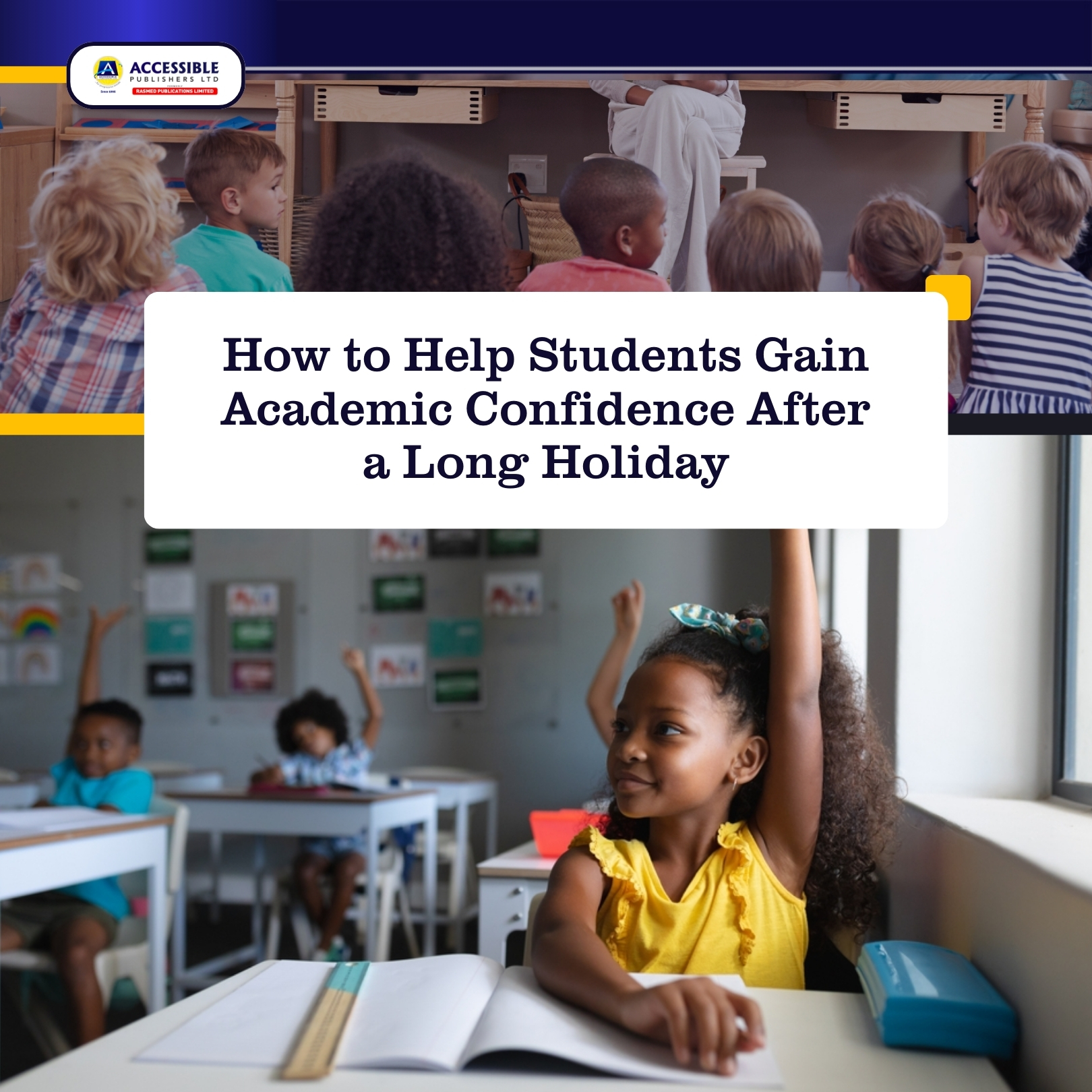
The holiday season is often a time of pleasure, rest and celebration. But, like all good things, it eventually comes to an end with the return to school. Interestingly, this process can be two-sided. Returning to school after the summer break can be a welcome experience to some on one hand, and on the other, research points to the fact that a significant number of students lose confidence at the start of a new academic session. However, rather than becoming a burden, this dip in confidence can, with the right support, be transformed into the very push students need to excel.
This blog is designed to resonate with students on three levels: recognising the challenges of returning to school, reinforcing the value of academic confidence, and sharing tips to help them thrive.
Understanding the Challenges Students Face After a Long Break
One of the hardest parts of returning to school for students is readjusting to a structured schedule. During the summer, bedtimes often become more flexible, and mornings start later. The sudden shift back to early mornings and a strict timetable can feel overwhelming. This often leaves students feeling tired and finding it harder to concentrate during the first few weeks of school.
This difficulty is further compounded by what educators call the “summer regression”- the loss of academic skills and knowledge that can occur when learning is put on pause for too long. Without regular practice, it’s easy for students to forget key concepts from the previous academic session, making the start of a new term more overwhelming as they are caught up in two areas: reviewing old material and tackling new lessons.
On top of academic pressures, there is also the social dimension of returning to school. For some students, especially those who are shy or have had negative social experiences in the past, the thought of facing classmates and making new friends can be a source of anxiety. The fear of not fitting in, being bullied, or not knowing anyone in new classes can make the return to school daunting.
The Importance of Rebuilding Academic Confidence
There are many reasons why building confidence is so important. In fact, many experts consider it the number one predictor of academic success. Confidence fuels motivation and perseverance, two qualities students need to thrive.
Many parents focus on grades, effort, or behaviour, but confidence is often the missing piece. Without it, even the smartest, most capable child may struggle to show what they truly know. For students who experience a dip in academic confidence, rebuilding it is crucial.
Taken together, these transitions form a web of challenges that affect how students adjust to school life after a break. Each area overlaps with the other, and unless addressed, the combined strain can quickly take a toll on overall academic confidence and performance.
Five Ways Students Can Gain Confidence
- Embrace Positive Thinking as the Foundation of Confidence
Confidence begins in the mind. A student who chooses to embrace a positive outlook unlocks a powerful tool for success. Studies have shown that attitude often outweighs raw ability, and those who believe in their potential are far more likely to achieve it.
- Focus on Areas of Strength
Every learner has areas where they excel, though they may not always notice them. They need to identify and focus on these strengths to create a sense of momentum. Each strength becomes a stepping stone, building the assurance needed to face new challenges.
- Build Confidence Through Company
No student grows in isolation. Confidence grows in the company of the confident. The company students keep shape how they see themselves. When they surround themselves with peers who carry confidence and extend that confidence to others, they begin to mirror the same self-belief.
- Let Go of Unrealistic Academic Expectations
Confidence does not thrive under the weight of impossible expectations. Students who learn to set achievable targets give themselves room to grow steadily. Each completed goal becomes proof of ability, reinforcing the belief that progress is always within reach.
- Rise Above Comparison
Comparison is the thief of confidence. Students who measure themselves only against others risk feeling inadequate, no matter how far they’ve come. But those who focus on their own journey discover that progress, however gradual, is still progress, and that is where true confidence is born.
Conclusion
Returning to school after the summer break can bring a lot of excitement, but it comes with its own set of struggles. This remains uncontestable. However, with the right mindset and strategies, students can successfully navigate this transition and start the new school session on a positive note.
Check out our literature catalogue to discover an array of titles that can help motivate children to keep turning the pages. It’s time to explore and embark on an enriching literary journey.
Click this link to learn about us here!