
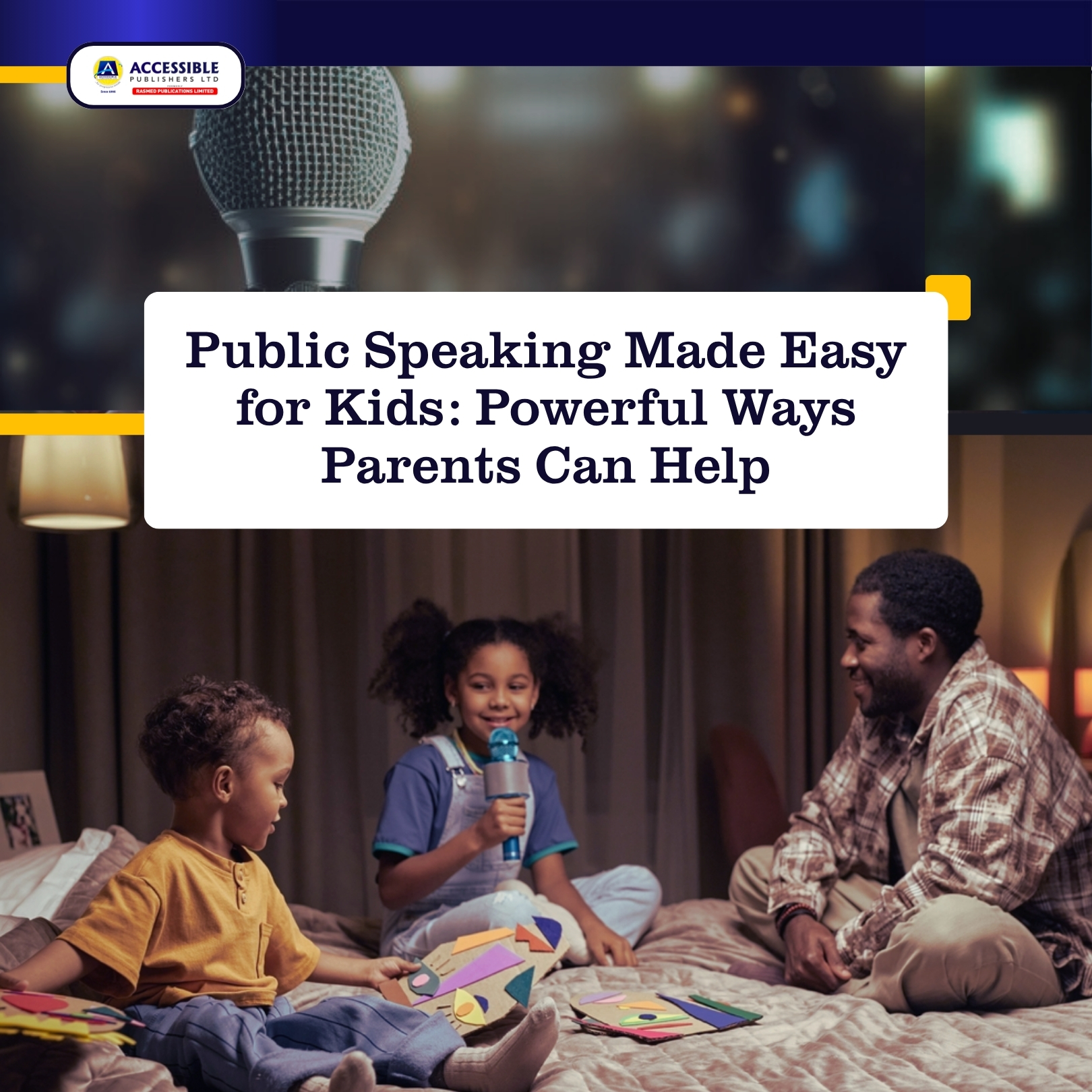
Public speaking is a crucial skill that sets people apart. Yet, despite its value, it can be a real hurdle, particularly for children. Kids frequently experience anxiety when speaking in front of others, which can hinder their performance in school and limit their future aspirations. However, public speaking is a skill that can and should be learned. It is an essential part of effective communication at all levels. For children, mastering this skill is particularly important and demands nurturing environments both at home and in school.
This guide addresses common mistakes children make in public speaking, the benefits children stand to gain from speaking well in public, and ways parents can nurture this all-important skill in kids.
Common Mistakes Children Make in Public Speaking
It is worth noting that the fear of public speaking ranks significantly high on lists of social phobias. Speaking before an audience can be a nerve-wracking experience, even for the brightest of minds. This fear often hinders children from making a good impression and can cost them important academic, social, and professional opportunities.
Children who experience this anxiety may shy away from any chance to speak publicly. It often shows up in class when they’re afraid to answer questions, give presentations, or speak at school events.
Despite these challenges, public speaking remains a vital skill that should be developed early for children to express themselves confidently and reach their full potential. Unfortunately, many kids are not exposed to this truth and, as a result, are more likely to make mistakes when they do speak in public. Though common, these mistakes can sometimes leave a lasting impact. Some of them include:
a. Starting Without Saying Their Name or Topic
Many children jump straight into their points without introducing themselves or their topic, leaving the audience confused about who they are and what they are talking about.
b. Speaking Too Fast
Due to stage fright or anxiety, some children rush their speech, making it hard for the audience to follow or understand.
c. The Fear of Familiar Faces in the Audience
Surprisingly, the presence of familiar faces, whether parents, teachers, or peers, can make children even more anxious. Instead of concentrating on their speech, they become fixated on who’s watching them.
d. Memorisation of Speech
Some children are fond of this. Over-reliance on cramming word-for-word can backfire when they forget a line, leading to panic and loss of flow.
e. Repetition of Lines
Some others, especially when nervous or unsure, tend to repeat the same point multiple times, which affects the clarity and quality of their delivery.
The Benefits of Public Speaking for Kids
Recognising the common pitfalls children face in public speaking, it becomes clear that speaking skills should be nurtured and developed as early as possible. If mastered, it offers inestimable benefits which include:
a. Builds Leadership Qualities
From school prefect roles to being class captains, children who speak well tend to be seen as leaders. Public speaking nurtures the confidence needed for such roles.
b. Sharpens Critical Thinking
Public speaking encourages children to organise their thoughts clearly and logically. This mental discipline supports their overall academic performance, especially in areas that require reasoning, analysis, and effective communication.
c. Prepares Children for Future Opportunities
Scholarships, competitions, and even some TV programmes (like spelling bees or kids’ debate shows) often favour kids who speak clearly and confidently.
d. Helps with Better English Language Use
In a multilingual environment, public speaking gives kids more exposure to good vocabulary, pronunciation, and grammar.
Practical Ways Parents Can Help
Parents play a crucial role in nurturing public speaking skills in children, just as teachers do. However, in many African cultural settings, it is often considered disrespectful for a child to speak while ‘elders’ are talking. Respect is important, but such practices can unintentionally silence children and make them hesitant to speak up even when it matters most. This mindset needs a shift, and here are a few practical ways parents can provide positive reinforcement and steady mentorship.
a. Fostering Democratic Homes
Parents can begin to shift this mindset by fostering open, democratic homes where every member, including children, feels heard, respected, and encouraged to express themselves.
b. Start with Everyday Conversations
Encourage your child to express their opinions at home about school, cartoons, food, etc. Ask open-ended questions like “Why do you think that?” or “Can you explain that better?”
c. Model Confidence in Your Own Speaking
Children learn from what they see. Let them watch you speak confidently – even in simple situations like greeting a neighbour or speaking in a meeting.
d. Expose Them to Great Speakers
Watch child speakers on YouTube (e.g., TED-Ed Talks for kids). Let them see that kids their age can speak well.
e. Encourage Speaking in Yoruba, Igbo, Hausa, or Mother Tongue First
Confidence starts with comfort. Let them speak fluently in their first language before switching to English. Then help them “translate” and say the same thoughts in English. It builds fluency and bridges cultural pride with communication skills.
f. Speak Positively About Public Speaking
Avoid saying “I can’t speak in public” around them. Your attitude influences their mindset. Say things like “I used to be shy too, but I practised.” The more they practise, the easier it gets.
Conclusion
One’s ability to speak well publicly helps one meet personal needs and plays an important role in one’s career and self-promotion processes. Public speaking has never been an easy task, even experienced speakers feel nervous sometimes, but with the right foundation, anyone can master it. That foundation begins early, and parents have a vital role to play. Now more than ever, parents must rise to the task not as passive observers but as active builders in this noble quest.
Check out our literature catalogue to discover an array of titles that can help motivate children to keep turning the pages. It’s time to explore and embark on an enriching literary journey.
Click this link to learn about us here!