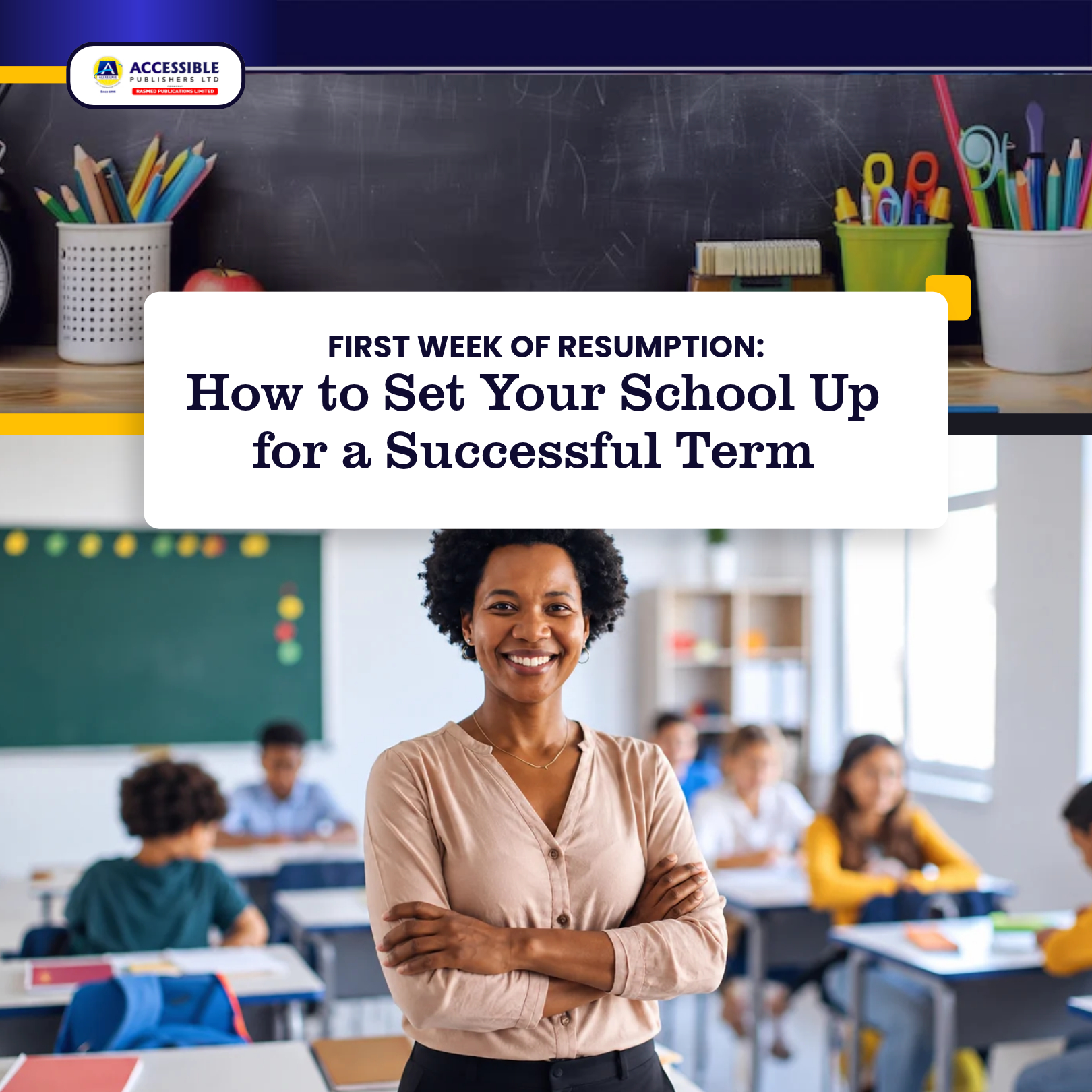
The first week of resumption can tell you a lot about how the rest of the term will go.
After weeks of holidays, students are returning with different levels of excitement, teachers are settling back into their routines, parents are adjusting to new schedules, and school administrators are trying to get everything running smoothly. Amidst all of this, one thing is clear: a successful term does not happen by accident. It begins with intentional preparation from the very first week.
The first week of resumption is more than a time for students to return to their classrooms. It is an opportunity for schools to establish expectations, reconnect with students, prepare teachers, assess learning needs and create an environment where teaching and learning can thrive.
As the saying goes, “By failing to prepare, you are preparing to fail.” While the first week may come with its share of confusion and adjustments, proper planning can help schools turn those early days into a strong foundation for the weeks ahead.
Here are practical ways schools can make the first week of resumption count.
1. Get the School Environment Ready
Before effective learning can take place, the school environment needs to be ready to receive both teachers and students.
Classrooms, laboratories, libraries, playgrounds, toilets and other learning spaces should be clean, organised and safe. Schools should also check basic facilities such as lighting, water supply, furniture, teaching aids and electrical systems before classes settle into full operation.
A welcoming environment can also make the transition from holiday to school easier for students. Simple details such as well-arranged classrooms, clear signs and accessible learning materials can make a difference.
School administrators should also ensure that administrative processes are in order. Class lists, timetables, attendance registers, lesson plans and other essential documents should be prepared and accessible.
The goal is simple: students and teachers should spend less time dealing with avoidable logistical problems and more time focusing on learning.
2. Get Teachers Ready for the Term
Teachers are central to how the new term begins. Giving them the right support during the first week can help them approach the term with clarity and confidence.
Schools should use the resumption period to communicate important information about the term, including the academic calendar, curriculum expectations, school activities, assessment schedules and specific responsibilities.
Teachers should review their schemes of work and lesson plans while considering what students are expected to learn during the term. Where necessary, they can also identify topics that may require additional teaching resources or practical activities.
The first week is also a good time for teachers to understand the students in their classrooms. A quick assessment or informal classroom activity can reveal what students remember from the previous term and where learning gaps may exist.
Rather than immediately rushing through new topics, teachers can use the first few days to assess, reconnect and prepare students for the learning ahead.
3. Help Students Transition Back Into School
For many students, returning to school after a long holiday means adjusting once again to early mornings, school routines, homework, classroom rules and academic expectations.
Schools can make this transition easier by creating a welcoming atmosphere instead of making the first week feel overwhelming.
Teachers can begin with simple revision activities, classroom discussions, icebreakers and introductory exercises that encourage students to participate. This gives teachers an opportunity to observe students while helping them gradually return to an academic routine.
Students should also be reminded of important school expectations, including punctuality, attendance, appropriate behaviour, personal hygiene, respect for others and responsible use of school facilities.
For younger students especially, teachers should pay attention to students who may be anxious, withdrawn or struggling to settle in.
Parents also have a role to play. Maintaining regular sleep schedules, preparing school materials ahead of time and creating a quiet space for homework can help children adjust more easily.
4. Common Resumption Mistakes Schools Should Avoid
Even with good intentions, some avoidable mistakes can affect how smoothly the term begins.
Starting Academic Work Too Quickly
Jumping straight into intensive lessons without checking what students remember from the previous term can make it difficult to identify learning gaps.
Poor Communication
Unclear communication between school management, teachers, parents and students can lead to confusion about schedules, fees, activities, expectations and important dates.
Ignoring Student Adjustment
Not every student will return with the same level of enthusiasm or readiness. Schools should allow room for students to settle while still maintaining clear expectations.
Overloading the First Week
Trying to complete too many activities at once can overwhelm both teachers and students. Prioritising essential tasks helps everyone settle into the term more effectively.
Failing to Review What Worked Previously
Every new term is an opportunity to improve. Schools should consider what worked well in the previous term and what needs to change rather than simply repeating the same processes.
5. Build Strong Communication From the Start
A successful term requires more than what happens inside the classroom. Schools should establish clear communication channels with parents from the beginning.
Parents should know important dates, academic expectations, school activities and any changes that may affect their children.
Teachers should also have clear channels for communicating with school management, while students should know where to go when they need academic or pastoral support.
Technology can make this easier. Schools can use digital platforms to manage attendance, share information, monitor academic progress and keep parents connected to their children’s school experience.
When communication is timely and organised, small issues are less likely to become bigger problems.
Conclusion
The first week of resumption is not simply about getting everyone back into school. It is about setting the tone, establishing routines and creating the conditions for meaningful learning throughout the term.
A clean and organised environment, prepared teachers, supported students, clear communication, and thoughtful planning can give a school a strong start.
As the term progresses, that strong beginning should be followed by consistent teaching, regular assessment, effective communication and a willingness to adjust when challenges arise.
Ultimately, the goal is not to have a perfect first week. It is to have a purposeful one—one that gives teachers the tools they need, helps students settle, and positions the entire school community for a productive and successful term.
Check out our literature catalogue to discover an array of titles that can help motivate children to keep turning the pages. It’s time to explore and embark on an enriching literary journey.
Click this link to learn more about us here!